Switzerland–US Extradition: Treaty & Defense
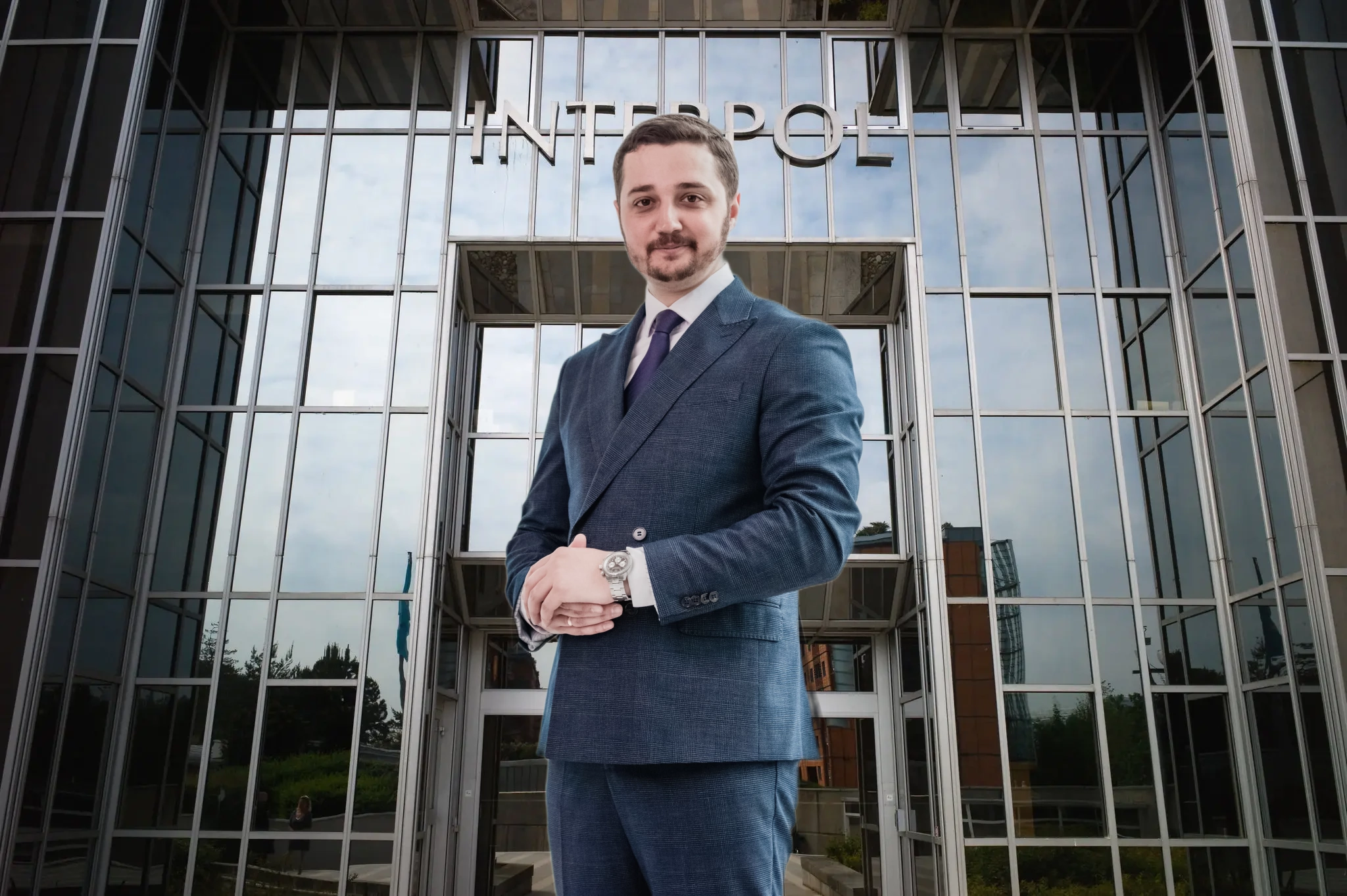
In short: Yes. Switzerland and the United States have a bilateral extradition treaty, so the US can formally request the surrender of a person located in Switzerland. A treaty is not a guarantee of surrender — Swiss authorities and courts still test each request against strict legal conditions, and there are real grounds to challenge it. If you or a family member faces a US request in Switzerland, get specialist advice early.
Does Switzerland have an extradition treaty with the US?
Yes. Switzerland is listed among the countries that have a bilateral extradition treaty in force with the United States under the statutory notes to 18 U.S.C. §3181. This means US prosecutors can route a formal extradition request through diplomatic channels and the US Department of Justice Office of International Affairs (OIA) to seek the surrender of a wanted person found on Swiss territory.
Key fact: A treaty establishes the legal channel for a request. It does not decide the outcome — surrender still depends on whether the request satisfies dual criminality, the specialty rule, and Switzerland’s human-rights and legal-safeguard conditions.
A treaty relationship also cuts both ways: it does not mean every request succeeds, and it does not remove your right to contest surrender before Swiss authorities and courts. For the wider picture of how the US builds and uses these agreements, see our guide to how US extradition treaties work.
Speak with an extradition lawyer — confidential. Call, WhatsApp, Viber or Telegram +357 96 447475, or request a confidential case review.
How Swiss extradition works
Extradition from Switzerland to the US is an administrative-and-judicial process: a Swiss federal authority handles the request, and Swiss courts can review the decision before anyone is surrendered. The process is designed so that a person is not handed over until the legal conditions have been checked.
In outline, a US request typically moves through these stages:
- Request and provisional arrest. The US may seek provisional arrest before the full request arrives, so the person can be detained while paperwork is completed.
- Formal request via diplomatic channels. The complete request, with supporting evidence of the offense, is transmitted to the competent Swiss federal authority — the Federal Office of Justice (FOJ).
- Administrative examination. The authority checks the request against the treaty and Swiss law, and the person is heard.
- Judicial review. The person can challenge an extradition ruling before the Swiss courts, with a route through the Federal Criminal Court and, ultimately, the Federal Supreme Court.
- Surrender or refusal. If the request is granted and appeals are exhausted, surrender proceeds; if a legal ground fails, it is refused.
A person may also agree to simplified (voluntary) extradition, which speeds the process but usually waives key protections. That decision should never be made without legal advice — timelines to contest can be short. Compare how the receiving side operates in our overview of extradition to the United States.
| Stage | Key action |
|---|---|
| Request and provisional arrest | The person can be detained while paperwork is completed. |
| Formal request via diplomatic channels | The complete request is transmitted to the competent Swiss federal authority. |
| Administrative examination | The authority checks the request against the treaty and Swiss law. |
| Judicial review | The person can challenge an extradition ruling before the Swiss courts. |
| Surrender or refusal | If a legal ground fails, it is refused. |
Grounds to challenge extradition from Switzerland
You can contest a US extradition request from Switzerland on several established legal grounds. The right combination depends on the facts, but a defense usually attacks the request’s legal basis, its evidence, and the risk you would face after surrender.
Common grounds include:
- Dual criminality. The conduct must be a serious crime under both US and Swiss law. If the alleged act is not punishable in Switzerland, or is time-barred, that undermines the request.
- Political-offense exception. Charges that are political, or a prosecution driven by political, military, religious or racial motives, can bar surrender — a principle mirrored in Interpol Constitution Article 3.
- Human-rights protections. Under Switzerland’s international obligations, surrender can be refused where the person faces an unfair trial, disproportionate punishment, or ill-treatment.
- Rule of specialty. Once surrendered, a person may generally be tried only for the offenses named in the request.
- Own-nationals rule. As a matter of constitutional and statutory law, some states restrict extraditing their own citizens; whether and how this applies in Switzerland must be confirmed on the facts.
- Defective request or insufficient evidence. Errors, missing documentation, or a weak evidentiary basis can defeat or delay surrender.
Our practice pairs these arguments with the strategy explained in our guide to available extradition defenses.
Key fact: A treaty does not guarantee cooperation, and “having a treaty” is not the end of the analysis — each request is tested against dual criminality, specialty, and human-rights safeguards before anyone is surrendered.
Interpol Red Notices in Switzerland
An Interpol Red Notice is not an arrest warrant and does not, by itself, require Switzerland to detain or extradite you — but it can trigger provisional arrest and flag you at borders. A Red Notice often precedes or accompanies a formal extradition request, so it should be addressed early. Notices that breach Interpol Constitution Article 3 (neutrality) or Article 2 (human rights) can be challenged before the Commission for the Control of Interpol’s Files (CCF). Learn how these notices operate and how they are contested on our Interpol Red Notice page.
How our lawyers help
We act as international extradition and Interpol defense counsel for people facing US requests in Switzerland, coordinating with local Swiss counsel where required. We move quickly on provisional arrest, scrutinize the request for legal and evidentiary defects, build human-rights and dual-criminality arguments, and manage any linked Red Notice in parallel. Our focus is protecting your liberty and your record while the case is decided on the law — not on pressure.
Verify note: Treaty relationships change; verify current status against the US State Department “Treaties in Force” before relying on this page. (Updated 2026.)
Speak with an extradition lawyer — confidential. Call, WhatsApp, Viber or Telegram +357 96 447475, or request a confidential case review.
FAQ
Does Switzerland extradite people to the United States?
Yes. Switzerland and the US have a bilateral extradition treaty in force, so the US can formally request surrender. Each request is still reviewed against Swiss law and treaty conditions, and it can be challenged — a treaty is not an automatic guarantee of surrender.
Can Switzerland refuse a US extradition request?
Yes. Swiss authorities and courts can refuse a request on grounds such as lack of dual criminality, the political-offense exception, human-rights concerns, defective paperwork, or insufficient evidence. Refusal depends on the specific facts of the case.
Will Switzerland extradite its own citizens to the US?
Some countries restrict extraditing their own nationals as a matter of constitutional law. Whether and under what conditions this applies in Switzerland must be confirmed on the facts by counsel, so nationality should be assessed early in any case.
How long does extradition from Switzerland take?
It varies widely. Simplified (voluntary) extradition is faster but usually waives protections, while a contested case with judicial review and appeals can take many months. Early legal action helps preserve your options.
Does a treaty guarantee that I will be extradited?
No. A treaty creates the legal channel for a request but does not decide the outcome. Surrender still depends on dual criminality, the specialty rule, and human-rights safeguards, all of which can be contested before Swiss authorities and courts.